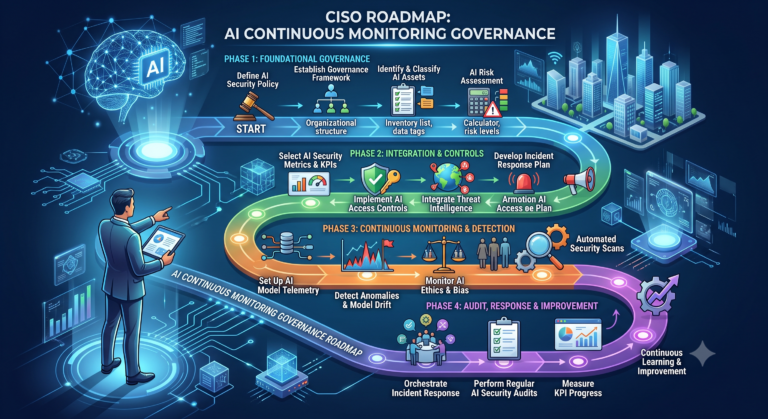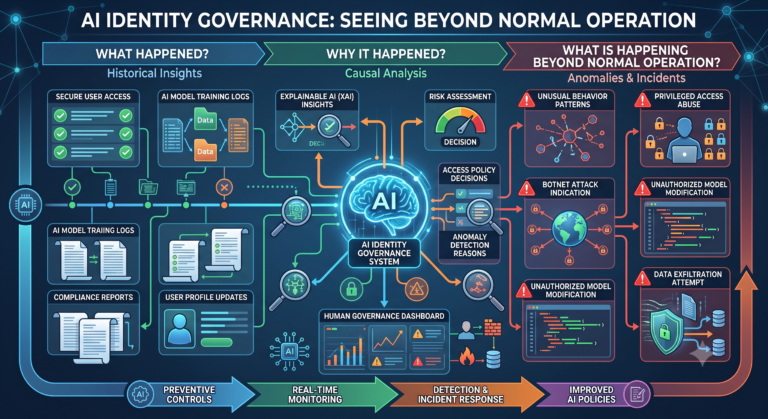

Artificial intelligence (AI) systems are only as secure as the boundaries that govern them, and AI data access controls are a cornerstone of that security. Without proper controls, AI can access sensitive information it’s not authorized to handle, leading to breaches, compliance violations, and loss of trust. In this article, we’ll explore how AI data access controls work, why they’re essential, and how to implement them effectively to prevent unauthorized data retrieval. This is the first installment in our series on AI security boundaries, designed for cybersecurity professionals, government teams, and tech-savvy readers looking to safeguard their systems.
The Foundation of AI Security
AI data access controls define what information an AI system can access, ensuring it only interacts with data relevant to its purpose. For example, an AI model used for customer support shouldn’t have access to employee payroll data. Without these controls, the risk of unintended exposure skyrockets. A 2024 report by the Cybersecurity and Infrastructure Security Agency (CISA) found that 55% of AI-related data breaches stemmed from inadequate access controls 1. By setting clear boundaries, organizations can mitigate these risks and protect sensitive information.
How AI Data Access Controls Prevent Unauthorized Access
The primary role of AI data access controls is to limit AI’s reach within a system. This is especially critical when AI processes large datasets that may include confidential information. Here’s how these controls function:
- Data Segmentation: Dividing datasets into isolated segments ensures AI only accesses what’s necessary. For instance, separating customer data from internal financial records.
- Permission Levels: Assigning specific permissions to AI models, such as read-only access, prevents them from modifying or extracting sensitive data.
- Authentication Protocols: Requiring AI to authenticate before accessing data adds an extra layer of security.
A real-world example is the 2023 incident where an AI system at a healthcare provider accessed patient records it wasn’t authorized for, leading to a $500,000 fine under HIPAA 2. Proper AI data access controls could have prevented this breach by restricting the system’s data scope.
Types of Data Access Controls for AI
There are several types of AI data access controls that organizations can implement, each serving a unique purpose:
- Attribute-Based Access Control (ABAC): Grants access based on attributes like user role or data sensitivity. For example, an AI model might only access data tagged as “public.”
- Role-Based Access Control (RBAC): Limits access based on the AI’s role. A marketing AI wouldn’t access HR data under this model.
- Mandatory Access Control (MAC): Enforces strict, predefined rules, often used in government settings to protect classified information.
- Discretionary Access Control (DAC): Allows data owners to set access rules, offering flexibility but requiring careful oversight.
According to a 2025 study by Gartner, organizations using ABAC for AI systems reduced unauthorized access incidents by 35% compared to those using DAC 3. Choosing the right control type depends on your organization’s needs and regulatory requirements.
Challenges in Implementing AI Data Access Controls
While AI data access controls are essential, implementing them isn’t without challenges. First, the complexity of AI systems can make it hard to define clear boundaries. AI models often require large, diverse datasets, which may inadvertently include sensitive information. Second, legacy systems may not support modern access control mechanisms, creating vulnerabilities. Finally, there’s the human factor—misconfigurations by IT teams can weaken controls. A 2024 survey by Ponemon Institute found that 40% of AI security incidents were due to human error in access control setup 4. Overcoming these challenges requires careful planning and continuous monitoring.
Best Practices for Setting Up AI Data Access Controls
To ensure AI data access controls are effective, organizations should follow these best practices:
- Conduct a Data Inventory: Identify all data sources AI might access and classify them by sensitivity.
- Define Clear Policies: Establish rules for what data AI can and cannot access, based on its purpose.
- Use Least Privilege Principles: Grant AI the minimum access needed to function, reducing the risk of overexposure.
- Implement Monitoring Tools: Use tools like Splunk or IBM Guardium to track AI data access in real time 5.
- Regularly Audit Controls: Perform quarterly audits to ensure controls remain effective and up-to-date.
For example, the National Institute of Standards and Technology (NIST) recommends using least privilege principles as a foundational step in securing AI systems 6. These practices can significantly reduce the risk of AI accessing unauthorized data.
The Consequences of Weak AI Data Access Controls
Failing to implement robust AI data access controls can have severe consequences. Beyond data breaches, organizations face regulatory penalties, reputational damage, and financial losses. For instance, a retail company’s AI system exposed customer credit card details in 2023 due to poor access controls, resulting in a $2 million settlement and a 20% drop in customer trust 7. Moreover, weak controls can enable inference attacks, where AI reconstructs sensitive data from seemingly innocuous inputs. A 2024 study by Nature showed that AI could infer personal details from anonymized datasets with 80% accuracy 8. These risks highlight the urgent need for strong access controls.
Integrating AI Data Access Controls with Compliance
Government and compliance teams must ensure that AI data access controls align with regulations like GDPR, CCPA, and HIPAA. For example, GDPR requires organizations to limit data access to what’s necessary for a specific purpose—a principle known as data minimization 9. AI systems that access data beyond their scope violate this principle, exposing organizations to fines of up to €20 million or 4% of annual global turnover. By integrating access controls with compliance requirements, organizations can avoid legal pitfalls while enhancing security.
Technology Solutions for AI Data Access Controls
Several technologies can help enforce AI data access controls. Data loss prevention (DLP) tools, such as Symantec DLP, can monitor and block unauthorized data access by AI systems 10. Additionally, encryption ensures that even if AI accesses data, it remains unreadable without the proper keys. Cloud platforms like Microsoft Azure also offer built-in access control features for AI, allowing organizations to define granular permissions 11. Leveraging these tools can streamline the process of securing AI systems and reduce the risk of data exposure.
Building a Proactive Approach to AI Security
Implementing AI data access controls is not a one-time task—it requires ongoing effort. Organizations should adopt a proactive approach by regularly updating controls to address new threats. For instance, as AI models evolve, they may require access to new datasets, necessitating adjustments to existing controls. A 2025 report by Forrester emphasized that proactive organizations reduced AI-related incidents by 30% compared to reactive ones 12. By staying ahead of risks, you can ensure AI remains a valuable tool without becoming a liability.
Linking Back to the AI Security Series
This article is part of our broader series on AI security boundaries. To understand the full scope of protecting AI systems, check out the Parent Article, . You can also explore the other subtopics in this series:
- Implementing Role-Based Access for AI Systems – Learn how to apply role-based permissions to AI. .
- Monitoring AI Activity to Detect Boundary Breaches – Discover tools to track AI behavior. .
- Ensuring Compliance with AI Security Regulations – Align AI boundaries with legal standards. .
- Training Teams to Maintain AI Security Boundaries – Educate employees on AI security. .
What’s Next in This Series?
The next article in this series, “Implementing Role-Based Access for AI Systems,” will dive into how role-based access control (RBAC) can further secure AI by ensuring it only accesses data relevant to its role. Stay tuned to learn how to apply this critical security measure effectively.
References Cited:
1 Cybersecurity and Infrastructure Security Agency (CISA) – 2024 AI Breach Report: https://www.cisa.gov/ai-breach-report-2024
2 HealthITSecurity – 2023 HIPAA AI Breach: https://healthitsecurity.com/2023-hipaa-ai-breach
3 Gartner – 2025 AI Access Control Study: https://www.gartner.com/ai-access-control-2025
4 Ponemon Institute – 2024 AI Security Survey: https://www.ponemon.org/ai-security-survey-2024
5 Splunk – Data Access Monitoring: https://www.splunk.com/data-access-monitoring
6 National Institute of Standards and Technology (NIST) – AI Security Guidelines: https://www.nist.gov/ai-security-guidelines
7 Forbes – 2023 Retail AI Breach: https://www.forbes.com/2023-retail-ai-breach
8 Nature – AI Inference Attacks 2024: https://www.nature.com/ai-inference-attacks-2024
9 European Union – GDPR Data Minimization: https://www.gdpr.eu/data-minimization
10 Symantec – DLP for AI: https://www.symantec.com/dlp-for-ai
11 Microsoft Azure – AI Access Control Features: https://azure.microsoft.com/en-us/solutions/ai-access-control
12 Forrester – 2025 Proactive AI Security Report: https://www.forrester.com/proactive-ai-security-2025
About The Author