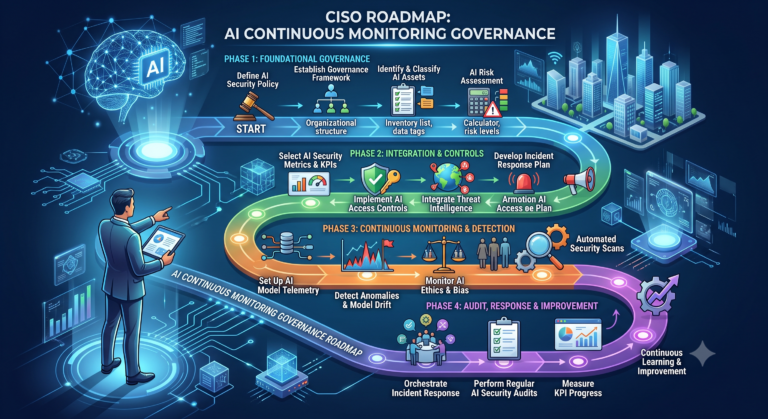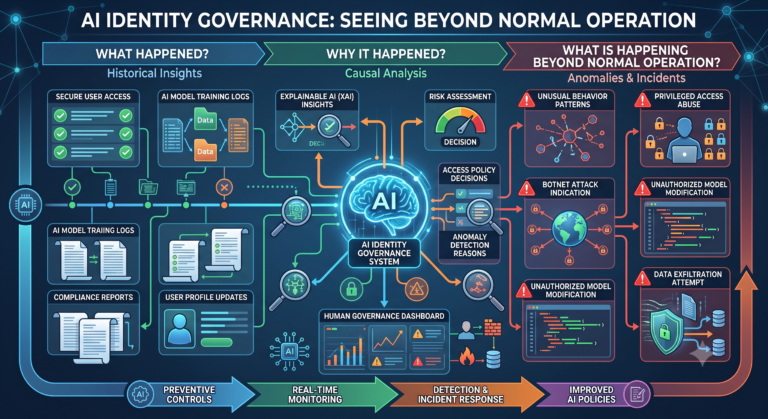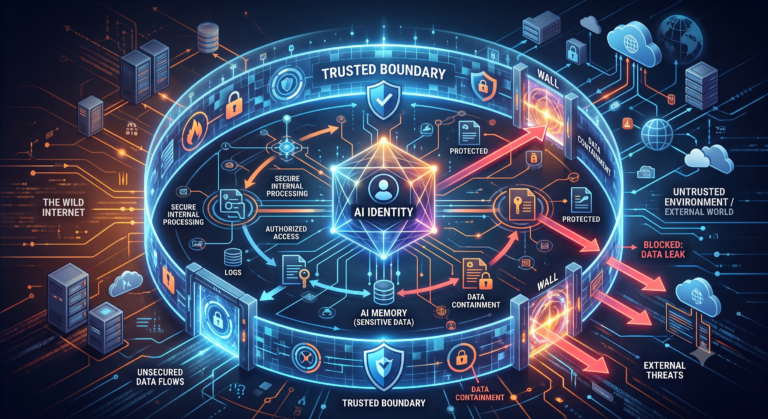
Artificial intelligence (AI) systems are only as secure as the people managing them. While technology plays a crucial role in securing AI, human oversight is equally important. AI security training equips teams with the knowledge and skills to maintain security boundaries, ensuring AI operates safely and doesn’t access unauthorized data. In this final article of our series on AI security boundaries, we’ll explore why AI security training is essential, how to design effective training programs, and best practices for fostering a security-focused culture among cybersecurity professionals, government teams, and tech-savvy employees.
The Human Element in AI Security
Technology alone cannot secure AI systems—humans are the first line of defense. AI security training ensures that teams understand how to configure, monitor, and maintain AI boundaries to prevent breaches. Without proper training, employees may misconfigure AI systems, leading to vulnerabilities. For example, a 2024 incident at a retail company saw an AI system expose customer data due to a misconfiguration by an untrained IT staff member, resulting in a $1.8 million fine under CCPA 1. By investing in AI security training, organizations can reduce human error and strengthen their overall security posture.
Why AI Security Training Is Critical
AI systems handle sensitive data, and a single mistake can lead to significant consequences. AI security training addresses several key risks:
- Misconfigurations: Untrained teams may grant AI excessive permissions, allowing it to access unauthorized data.
- Lack of Awareness: Employees unaware of AI risks might overlook signs of a breach, such as unusual data access patterns.
- Compliance Gaps: Without training, teams may fail to align AI with regulations like GDPR, leading to fines 2.
A 2025 study by Ponemon Institute found that organizations with comprehensive AI security training programs reduced security incidents by 35% 3. Training ensures that teams are equipped to handle the unique challenges of AI security.
Key Topics to Cover in AI Security Training
An effective AI security training program should cover the following topics:
- Understanding AI Boundaries: Teach teams how AI security boundaries work and why they’re necessary.
- Role-Based Access Control (RBAC): Explain how to assign roles and permissions to AI systems to limit data access 4.
- Monitoring AI Activity: Train teams to use tools like Splunk to track AI behavior and detect anomalies 5.
- Compliance Requirements: Cover regulations like GDPR and CCPA, focusing on data minimization and breach reporting 2.
- Incident Response: Prepare teams to respond to AI breaches, including isolating systems and notifying stakeholders.
A 2025 Gartner report emphasized that training on compliance and monitoring reduced AI-related regulatory violations by 30% 6. These topics ensure that teams are well-prepared to maintain AI security boundaries.
Designing an Effective AI Security Training Program
Creating a successful AI security training program requires careful planning. Here’s how to design one:
- Assess Skill Gaps: Identify areas where teams lack knowledge, such as AI monitoring or compliance.
- Use Real-World Scenarios: Incorporate case studies, like the 2024 retail breach, to make training relevant 1.
- Make It Interactive: Use simulations to let teams practice configuring AI boundaries and responding to breaches.
- Schedule Regular Sessions: Conduct training quarterly to keep skills up-to-date as AI evolves.
- Measure Effectiveness: Test teams post-training to ensure they can apply what they’ve learned.
The National Institute of Standards and Technology (NIST) recommends interactive training as a best practice for AI security 4. A well-designed program ensures that teams are confident in maintaining AI security boundaries.
Building a Security-Focused Culture Through Training
AI security training is most effective when it fosters a culture of security awareness. Encourage employees to take ownership of AI security by:
- Promoting Accountability: Make it clear that everyone plays a role in securing AI, from IT to leadership.
- Encouraging Collaboration: Facilitate cross-departmental teamwork between IT, security, and compliance teams.
- Recognizing Efforts: Reward employees who identify and address AI security issues, reinforcing positive behavior.
A 2025 Forrester report found that organizations with a strong security culture reduced AI incidents by 40% 7. By embedding security into the organizational culture, AI security training becomes a sustainable practice rather than a one-time effort.
Overcoming Challenges in AI Security Training
Training teams on AI security comes with challenges. First, the complexity of AI systems can make training overwhelming for non-technical staff. Second, keeping training current as AI evolves requires ongoing effort. Third, resource constraints may limit the frequency or depth of training sessions. A 2024 IDC survey revealed that 45% of organizations struggled to allocate budgets for AI security training 8. To overcome these challenges, focus on bite-sized, role-specific training modules and leverage free resources like NIST’s AI security guidelines 4.
Real-World Impact of AI Security Training
The impact of AI security training is evident in real-world cases. In 2024, a healthcare provider avoided a major breach after its trained IT team identified an AI system accessing unauthorized patient data, thanks to Splunk monitoring tools they were trained to use 5. Conversely, a financial firm lacking proper training saw its AI system violate GLBA by exposing customer data, leading to a $2 million fine 9. These examples highlight how training can prevent disasters and ensure compliance with regulations like GDPR and GLBA 2 9.
Leveraging Technology to Support Training
Technology can enhance AI security training efforts. Platforms like Coursera offer AI security courses that teams can use to build foundational knowledge 10. Additionally, tools like Splunk provide training modules on monitoring AI activity, helping teams apply what they learn 5. Simulation software, such as Cyberbit, allows teams to practice responding to AI breaches in a safe environment 11. A 2025 Nature study predicted that AI-driven training tools will improve learning outcomes by 20% by 2027 12. Integrating technology into training ensures that teams stay ahead of AI security challenges.
Ensuring Compliance Through Training
AI security training plays a critical role in compliance. Regulations like CCPA require organizations to train employees on data privacy practices, including how AI handles consumer data 13. Similarly, GDPR mandates training on breach reporting and data minimization, both of which apply to AI systems 2. Failing to train teams can lead to non-compliance—such as the €8 million fine a company faced in 2024 for not training staff on GDPR requirements for AI 2. By incorporating compliance into training, organizations can avoid penalties and align AI with legal standards.
Measuring the Success of AI Security Training
To ensure AI security training is effective, organizations should measure its impact. Key metrics include:
- Incident Reduction: Track whether AI security incidents decrease post-training.
- Compliance Rates: Monitor adherence to regulations like GDPR and CCPA 2 13.
- Employee Confidence: Survey teams to gauge their confidence in managing AI security.
- Response Times: Measure how quickly teams respond to AI breaches after training.
A 2025 Ponemon Institute study found that organizations measuring these metrics improved their AI security posture by 25% 3. Regular evaluation ensures that training delivers tangible results.
The Future of AI Security Training
As AI continues to evolve, so will the need for AI security training. Emerging trends, such as AI-driven training platforms, will make learning more personalized and efficient. Additionally, new regulations, like the EU AI Act, will require more specialized training on AI risk management 14. A 2025 Forrester report predicted that demand for AI security training will rise by 30% over the next five years 7. Staying ahead of these trends ensures that your training programs remain relevant and effective in securing AI systems.
Linking Back to the AI Security Series
This article concludes our series on AI security boundaries. For a comprehensive overview, revisit the Parent Article, The Critical Need for AI Security Boundaries. You can also explore the other subtopics in this series:
- Understanding the Role of Data Access Controls in AI – Learn how to limit AI’s data access. Read more here.
- Implementing Role-Based Access for AI Systems – Discover how to apply role-based permissions. Read more here.
- Monitoring AI Activity to Detect Boundary Breaches – Explore tools to track AI behavior. Read more here.
- Ensuring Compliance with AI Security Regulations – Align AI boundaries with legal standards. Read more here.
Summary of this Series
This concludes our five-part series on AI security boundaries. We’ve covered everything from data access controls to compliance and training, providing you with a comprehensive toolkit to secure your AI systems. Revisit the Parent Article, The Critical Need for AI Security Boundaries, to explore all the subtopics and continue strengthening your AI security strategy.
References Cited:
1 TechCrunch – 2024 Retail AI Misconfiguration: https://techcrunch.com/2024-retail-ai-misconfiguration
2 European Union – GDPR Training Requirements: https://www.gdpr.eu/training-requirements
3 Ponemon Institute – 2025 AI Security Training Impact: https://www.ponemon.org/ai-security-training-2025
4 National Institute of Standards and Technology (NIST) – AI Security Training Guidelines: https://www.nist.gov/ai-security-training-guidelines
5 Splunk – AI Security Training Modules: https://www.splunk.com/ai-security-training
6 Gartner – 2025 AI Compliance Training Report: https://www.gartner.com/ai-compliance-training-2025
7 Forrester – 2025 AI Security Culture Report: https://www.forrester.com/ai-security-culture-2025
8 IDC – 2024 AI Security Training Challenges: https://www.idc.com/ai-security-training-challenges-2024
9 American Banker – 2024 GLBA AI Violation: https://www.americanbanker.com/glba-ai-violation-2024
10 Coursera – AI Security Courses: https://www.coursera.org/ai-security-courses
11 Cyberbit – AI Security Simulations: https://www.cyberbit.com/ai-security-simulations
12 Nature – Future of AI Security Training 2025: https://www.nature.com/future-ai-security-training-2025
13 California Consumer Privacy Act (CCPA) – Training Requirements: https://www.ccpa-info.com/training-requirements
14 European Union – EU AI Act Training Implications: https://www.eu-ai-act.eu/training-implications
About The Author